
Is Your Marketing Strategy Holding You Back?

There's a moment most founders reach that nobody really prepares you for.
The early chaos is behind you. You've proven the model. Real clients, real revenue, real proof that what you do works. And then, instead of accelerating, your small business marketing strategy starts to feel like it's working against you. More effort. Slower results. Like you're pushing against something invisible.
You're doing more marketing than ever. But the returns aren't scaling the way they should.
This is one of the most common and most misunderstood moments in a business journey.
Most founders assume the answer is more: more content, more posting, more hustle. But the problem isn't volume. The problem is that the marketing strategy that got you here was built for a different stage of business. And nobody told you it was time to change it.
The Invisible Ceiling in Every Small Business Marketing Strategy
In the early stages, scrappy works. Networking, referrals, LinkedIn outreach, word of mouth - free and low-cost tactics powered entirely by your own energy. That's exactly the right small business marketing strategy when you're proving your model and cash is tight. It gets you clients. It builds momentum. It works.
Until it doesn't.
The invisible ceiling isn't obvious at first. You're still posting. Still networking. Still following up. Still doing all the things that used to produce results. But the pipeline feels thinner. The enquiries feel harder to come by. And the marketing that once felt exciting now feels like a treadmill you can't get off.
The business goal has shifted underneath you. You're no longer trying to land your first clients. You're trying to build brand awareness at scale, create systems that run without you, and establish a market position that competitors can't easily replicate. The marketing strategy that got you traction genuinely will not get you to the next level, no matter how hard you push it.
The biggest mistake I see growth-stage founders make is continuing to market like they're still a startup. Still relying entirely on organic reach. Still doing everything themselves. Still treating small business marketing as a series of one-off campaigns rather than a connected, compounding system.
That approach has a ceiling. And if you're reading this, you've probably already hit it.
The Three Things a Growth-Stage Marketing Strategy Requires
A growth-stage small business marketing strategy requires three things that startup-stage marketing doesn't.
Strategic investment. Not reckless spending, but purposeful investment in channels that can scale. Paid media, proper infrastructure, senior marketing expertise that knows what growth actually looks like. The founders who stall at this stage are almost always the ones who refuse to move money from operations into marketing at the exact moment it matters most. They're waiting for certainty before they invest. But the investment is what creates the certainty.
Systems, not campaigns. A campaign runs and stops. A system runs, learns, and compounds over time. Your email nurture sequence, your retargeting strategy, your SEO foundation, your content engine - these are systems. They get smarter and more effective the longer they run. Building them is slower and less immediately exciting than launching a campaign. It's also what separates businesses that scale from businesses that plateau. Most founders have run campaigns. Very few have built systems. The ones who have are the ones pulling away from the pack.
Visibility beyond your existing network. Referrals and networking got you here, and they'll continue to contribute. But a growth-stage small business marketing strategy needs to reach audiences who have never heard of you. That requires channels and infrastructure designed for that job, not just more of what already worked. Warm audiences only take you so far. At growth stage, you need to be building cold ones.
What a Growth-Stage Small Business Marketing Strategy Actually Looks Like
So what does this look like in practice? Here's the playbook that works at this stage.
Google Ads
When your foundations are solid, with clear positioning, a converting website, and a defined offer, Google Ads puts you directly in front of people who are actively searching for what you do. At growth stage, this is often the fastest path to predictable lead flow.
But it only works when the setup underneath it is right. Ads amplify what's already there. If the messaging is weak, ads just accelerate the leak. Before you spend on ads, make sure your positioning is sharp and your website is doing its job.
SEO
The long game that pays forever. SEO for B2B businesses at growth stage means building genuine authority in your space. Content that answers the real questions your ideal clients are searching for, and a website that earns trust from search engines and humans equally.
It takes six to twelve months to build meaningfully. Which means the best time to start was six months ago. The second best time is now. Every month you wait is a month your competitors are compounding ahead of you.
Paid Social and Retargeting
LinkedIn and Facebook Ads give you the ability to put your message in front of a precisely defined audience by industry, role, behaviour, and interest. Done well, it builds awareness with people who don't know you yet and pulls them into your world over time. Done poorly, it burns budget on the wrong audience with the wrong message.
Retargeting is one of the most underused tools in a small business marketing strategy at this level. It lets you stay visible to people who've already shown interest, including website visitors, video viewers, and content engagers. These warm audiences already know who you are. Keeping your brand in front of them while they're in a consideration phase is one of the highest-ROI activities a growth-stage business can run.
Funnels
A proper marketing funnel turns strangers into leads and leads into clients, automatically, consistently, and at scale. Not a complicated tech stack. A clear journey: awareness content that attracts the right people, a compelling reason to opt in, a nurture sequence that builds trust, and a conversion point that makes the next step easy.
Most SMEs have pieces of a funnel. Very few have one that's actually connected end to end. The gap between having funnel components and having a working funnel is where most growth-stage businesses are losing leads they've already paid to attract.
PR, Events and the Speaking Circuit
Growth stage is when you start investing in credibility at scale. PR gets your name in front of audiences you couldn't reach yourself. Webinars and live events build deep trust with warm audiences fast. The speaking circuit positions you as the expert in your space. There is no faster way to compress a sales cycle than having your ideal client sit in a room and hear you speak for forty minutes.
Post-pandemic, in-person events have returned as one of the highest-ROI channels available to growth-stage businesses. If events aren't in your marketing strategy right now, they should be.
The common thread through all of it: these are not tactics you run once and measure immediately. They are systems you build, optimise, and compound over time. The founders who win at growth stage are the ones who commit to the long game with the discipline to keep going before the results are obvious.
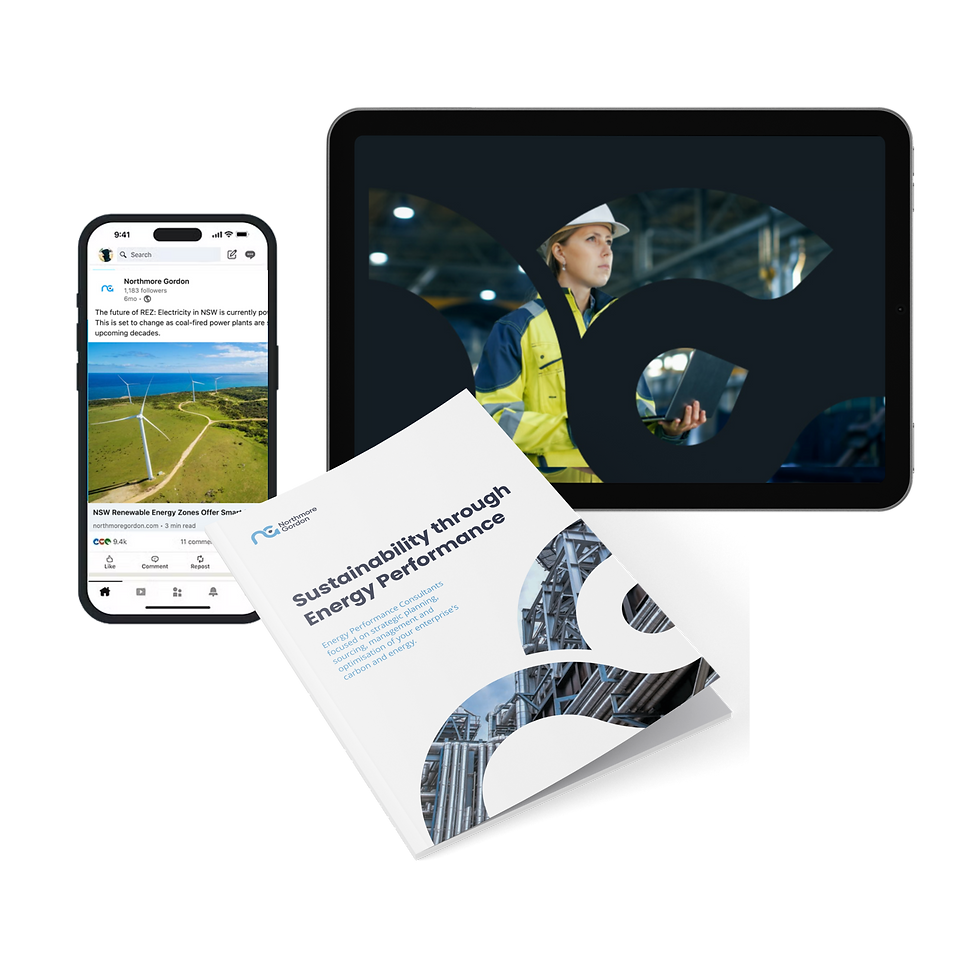
Client Story: Northmore Gordon
When Northmore Gordon came to us, their small business marketing strategy wasn't keeping pace with their ambition. Real expertise, real credibility - but visibility was inconsistent and leads were unpredictable.
We went back to strategy first. Brand positioning, thought leadership, and a lead generation system built to compound over time. Once the foundations were right, we built SEO, LinkedIn, content, and live events on top of them as one connected system.
The result: website traffic grew 300%, leads increased, and live events regularly drew 100 or more attendees.
Is Your Business Ready to Scale?
Before investing in growth-stage channels, run through this. Each point is a prerequisite for the tactics above to actually work.
Your positioning is clear and specific. You know exactly who you serve, what problem you solve, and what makes you different. If this is vague, paid media will underperform.
Your website converts. It actively turns the right visitors into enquiries. If it doesn't, fix this before spending on ads.
Your messaging is emotional and specific. It speaks directly to your ideal client's real problem and makes them feel understood. Generic messaging kills paid campaigns.
You have a nurture system. When someone expresses interest, there's a sequence that keeps them warm and moves them toward a decision - not just a promise to follow up.
You have a content engine. Consistent, valuable content that builds authority over time across the channels where your audience lives.
You know your numbers. Cost per lead, conversion rate, client lifetime value. Without this, you can't make smart investment decisions and you can't tell what's actually working.
If three or more of these aren't in place, growth-stage tactics will underdeliver. Not because the channels don't work, but because the infrastructure underneath them isn't ready yet. Go back, fix the foundations, then scale.
This is exactly the kind of gap a fractional CMO is built to close fast. Or an outsourced marketing team that brings senior strategy and specialist execution without the cost of building it all in-house. Either way, the foundations come first.
What Changes When You Get This Right
The founders who break through at growth stage are not doing more. They're doing different.
They've recognised that a new stage of business requires a genuinely new small business marketing strategy and they've committed to building the systems that compound before the results are obvious. That discipline is what separates businesses that scale from businesses that stay stuck at the same revenue ceiling year after year.
AI marketing is also compressing this timeline significantly. What used to require a team of specialists and a significant budget, including SEO content at scale, ad creative testing, funnel copywriting, and retargeting strategy, can now be built faster and more efficiently with AI embedded into the process. Growth-stage founders who are building AI-powered marketing functions are moving in months what used to take years. The gap between them and the ones who aren't is widening fast.
The attention economy is also shifting toward trust. Audiences are more sceptical than ever. The brands winning at growth stage are investing in genuine authority, consistent thought leadership, real case studies, founder visibility, and community. Transactional marketing is getting harder. Relationship marketing is compounding.
And events are back. Founders who are showing up to speak, run workshops, and host intimate client events are building trust and closing deals faster than any digital channel can replicate. If you're not on a stage somewhere this year, that's worth reconsidering.
Build the Small Business Marketing Strategy Your Next Stage Needs
If your small business marketing strategy got you to traction, it did exactly what it was supposed to do. That's not failure. That's a foundation.
But growth stage is a different game, and it needs a different approach. The invisible ceiling isn't a sign that marketing doesn't work for your business. It's a sign that your current approach has taken you as far as it can. The next level requires investment, systems, and visibility at a scale that startup tactics simply aren't built to deliver.
The question isn't whether you need to change your small business marketing strategy. If you're feeling the ceiling, you already know the answer. The question is what to build first, and whether you're building it with the right support behind you.
One Thing to Do This Week
Look at your current marketing activity and ask yourself honestly: am I still marketing like a startup, or have I built the systems a growth-stage business actually needs?
If you're still relying entirely on referrals, organic social, and networking, and you have traction, a proven offer, and real revenue, you're ready for the next level. The question is whether you're willing to invest in building the system that gets you there.
Ready to Build a Marketing Strategy That Actually Scales?
You've read the playbook. You know where the ceiling comes from. The only question now is what you do next.
Next steps...
Start with Vivo's free Marketing Scorecard. It takes five minutes and gives you a specific, honest read on where your small business marketing strategy sits right now and exactly where to focus next.
Or if you'd rather talk it through directly, book a 30-minute catch-up with Laura. No pitch. Just a clear-eyed look at what your business needs to move forward.

------------------
About the Author
Laura Craig is the Founder of VIVO Marketing, an AI-powered marketing consultancy helping growth-stage businesses across Australia build the foundations and systems that drive sustainable results. With over 2 decades of experience across marketing consulting, brand strategy, and digital marketing, Laura works with founders and leadership teams who are ready to stop guessing and start growing. Connect with Laura on LinkedIn.

